
Blog
Enfants Riches Deprimes (ERD) Clothing Brand Explained

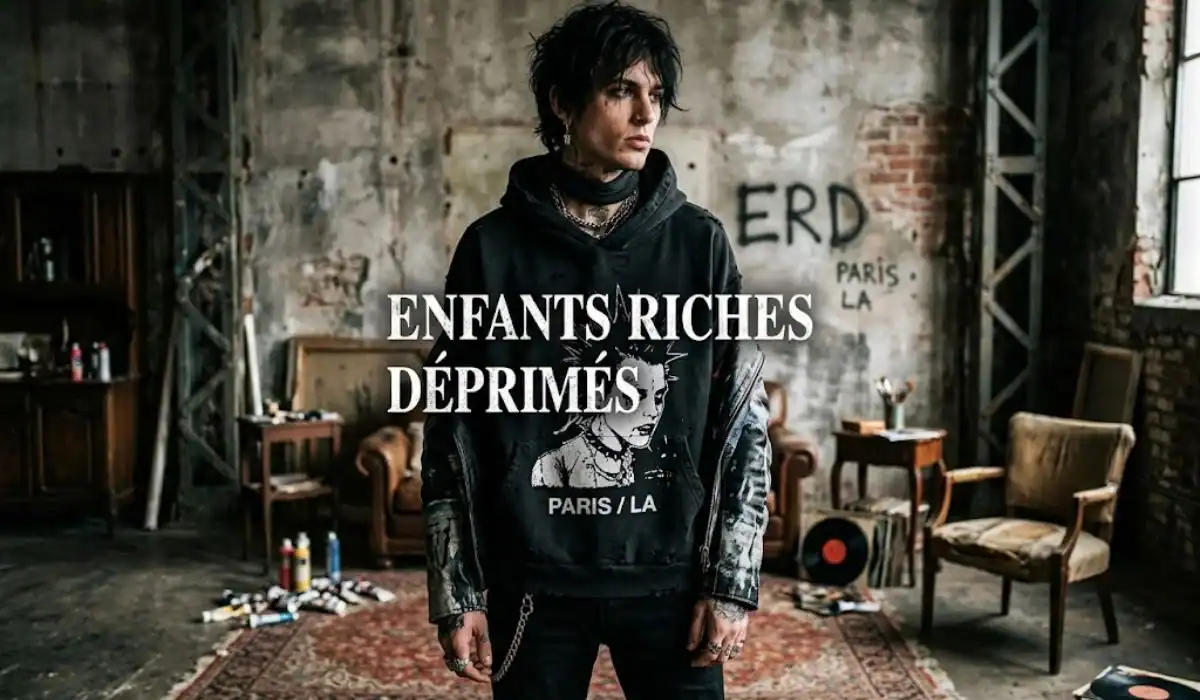
Spend enough time around streetwear collectors, resale marketplaces such as Grailed, or luxury retailers such as SSENSE, and the letters "ERD" will show up sooner or later, often on a distressed hoodie or jacket listed for hundreds or even thousands of dollars, depending on the piece, condition, and seller. The full name is Enfants Riches Deprimes, a French phrase commonly translated as "Depressed Rich Kids." It is an unusual name for a fashion label, but once you know the story behind it, the choice starts to make sense.
This article walks through what ERD actually is, who is behind it, why it built such a loyal following, and how to buy real pieces without getting stuck with a fake. No confusing vocabulary, no padding, just a straightforward look at a brand that has quietly become one of the most collected names in underground luxury fashion.
What Is Enfants Riches Deprimes?
Enfants Riches Deprimes, usually shortened to ERD, is a luxury fashion label based between Los Angeles and Paris, founded in 2012 by conceptual artist and designer Henri Alexander Levy. It runs on a mix of punk attitude and high-end craftsmanship that most brands never manage to pull off. Where a typical streetwear label leans on logos and hype drops, ERD leans on rough textures, dark themes, and clothes that look like they have already lived a full life before you even buy them.
That is the first thing people notice: the pieces often look torn, stained, or aged. Some shoppers assume this is a shortcut, a way to charge a lot for basic clothes with a few holes cut in. Look closer, though, and that assumption falls apart fast. The leather work is done by hand, the stitching is deliberate, and every graphic or patch has a reason for being there. The tension between "this looks wrecked" and "this is actually well made" is not an accident. It is the entire point of the brand.
Who Founded ERD and Why
The person behind ERD is Henri Alexander Levy. He started the label in late 2012 while studying art at UCLA. His background in fine art continues to influence the way ERD approaches clothing as an artistic project, with each collection treated more like a body of work than a simple seasonal drop.
Levy's public interviews and the brand's designs often connect ERD with themes of privilege, rebellion, and emotional discomfort. In one interview, Levy explained he started the label because he saw a gap in the market for a product that paired luxury with dark, unconventional concepts while he was still an art student. These themes give the clothing a personal and confrontational quality that is uncommon in fashion, and it is a big reason ERD fans talk about the brand differently than they talk about most designer labels. It does not read as manufactured. It reads as personal.
Even the brand name reflects this. The name points to the brand's interest in the tension between wealth, privilege, dissatisfaction, and rebellion. That is an unusual pitch for a fashion label, but it set the tone for everything ERD has released since.
The Signature ERD Style
ERD's look is best described as elegant punk. A few details show up again and again across collections:
- Hand-drawn or hand-painted graphics on t-shirts and sweaters
- Deliberately distressed, aged, or "damaged" fabric
- A muted palette built around black, grey, and faded tones
- Leather jackets and outerwear with a worn, lived-in feel
- Small punk-inspired details, like the brand's well-known safety pin earrings
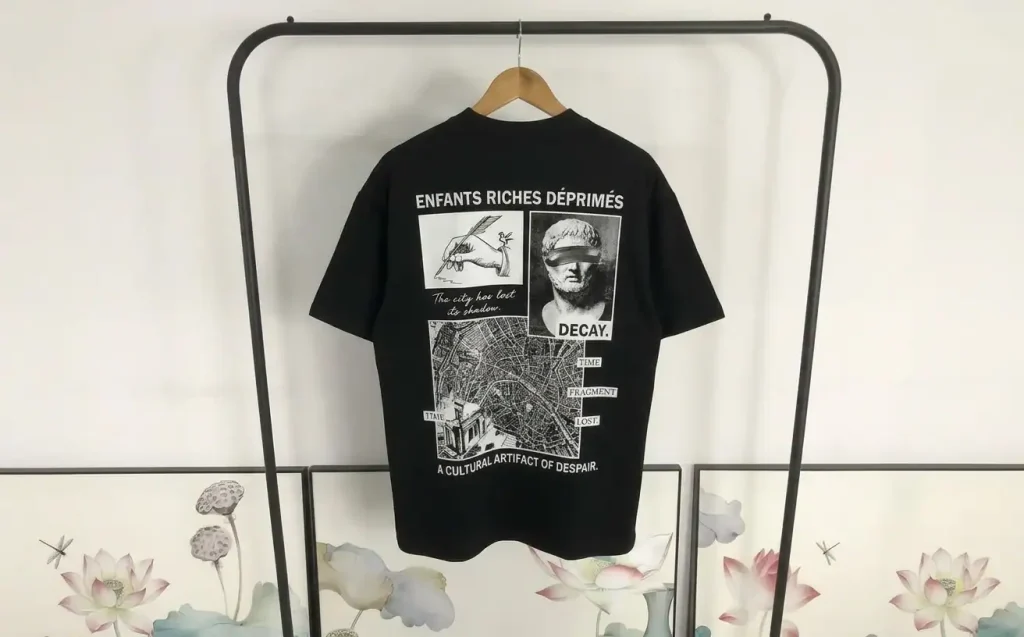
Certain recurring pieces, such as sweaters and V-necks from the "Here Comes Alice" line and jackets with a "Prison Stripes" motif, give a good sense of the range: one leans soft and nostalgic, the other leans harsh and institutional, and both fit within the same overall aesthetic. The overall style draws on punk, rock, nihilist, and avant-garde references, according to retailer profiles of the brand. The result feels rebellious at first glance, but once you understand the materials and the techniques behind them, it is unmistakably high fashion. A graphic Erd Shirt is often the easiest entry point for someone new to the brand.
Unlike streetwear brands that print a logo on a plain shirt and call it a day, ERD treats each release almost like an art show. Some pieces draw on Levy's paintings, sketches, and broader visual-art practice. Others reference music, film, or specific memories from his own life. Even a simple ERD Long Sleeve often carries a hand-drawn graphic tied to one of these ideas rather than a generic print. This is a big part of why long-time fans see ERD less as a clothing company and more as an ongoing creative project that happens to produce wearable pieces.
Why ERD Became So Popular
ERD did not become popular through big marketing campaigns or celebrity partnerships in the usual sense. It grew slowly, mostly through word of mouth among people in music, art, and fashion circles. The brand started with a small handful of stockists and gradually built a following among musicians, artists, and other tastemakers who liked the raw, honest style, including Courtney Love, who has spoken publicly about her admiration for Levy's work.
By the mid-2010s, ERD had expanded into a small number of well-regarded boutiques and concept stores. This slow, controlled growth actually helped the brand rather than hurt it. Because ERD never flooded the market with product, owning a piece felt special. Scarcity became part of the appeal, not just a side effect of it.
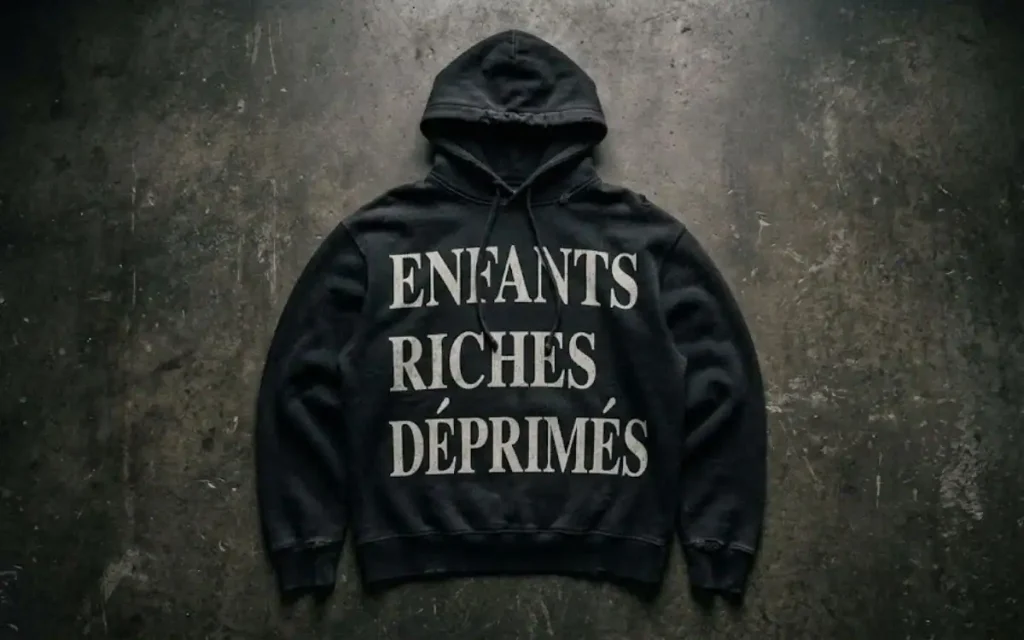
Musicians, actors, and other public figures wearing ERD in casual settings also helped spread the word, often in something as simple as an Erd Hoodie thrown on for an off-duty look. People noticed the pieces were different from typical designer streetwear, and they wanted to know where the clothes came from. Since Levy kept his own public presence fairly low key, this only added to the mystery and interest around the brand.
The Price and Exclusivity Factor
ERD pieces are not cheap. Prices vary significantly depending on the piece, the collection, and where you buy it: simple graphic tees sit at one end, while a heavier Erd Jacket, leather goods, and archival or one-of-a-kind pieces can run into the thousands, as current listings on retailers like SSENSE and resale platforms like The RealReal show. Some shoppers find this hard to accept for clothing that looks torn or stained. But the pricing is associated with the brand's limited distribution, distinctive finishing techniques, materials, and luxury positioning rather than mass manufacturing.
The brand is also known to be selective about which stores are allowed to carry its products, and it has built a reputation in the industry for closely guarding its distribution network. This kind of strict control is unusual, but it fits the brand's overall attitude of doing things on its own terms.
For buyers, this exclusivity means owning ERD often feels like being part of a smaller, more private group rather than following a mainstream trend. That is a big part of the appeal for long-time supporters of the brand.
Where to Buy Authentic ERD and How to Avoid Fakes
Because ERD is expensive, limited, and instantly recognizable to collectors, counterfeit and misrepresented listings do turn up online, especially on open resale marketplaces and social media. A few practical steps make it easier to buy with confidence:
- Stick to known retailers. Authorized stockists and established platforms such as SSENSE, Luisa Via Roma, Grailed, The RealReal, and GOAT are the safest starting points for a pair of Erd Jeans or any other piece, since they carry the brand directly or run their own vetting processes for resale items. Keep in mind that buyer protection and authenticity guarantees on these platforms typically apply only to orders completed through their official checkout and verification process, not to private deals arranged off-platform or through direct messages.
- Check the price against the market. ERD does not discount heavily, and genuine pieces rarely show up far below typical resale prices. A deal that looks too good to be true, especially from an unfamiliar website or a seller with no history, is a warning sign.
- Look closely at construction details. Guides from third-party authentication services point to specific tells, such as how faded and intentional the print looks, the thickness and consistency of text on wash tags, and the overall stitching quality, as ways to separate genuine pieces from replicas.
- Use a legit-check service for resale purchases. If you are buying secondhand and are not confident judging the item yourself, paid authentication services will review photos of tags, stitching, and prints and give you a verdict before you commit to a purchase.
- Be cautious with domains that look almost right. Counterfeit sellers sometimes build websites with URLs that closely resemble the brand's real domain, occasionally with their own "authenticity guarantee" pages. Always double-check the exact spelling of the web address before entering payment details, and when in doubt, buy through a retailer you already trust rather than a link from an ad or social media post.
None of these steps guarantee a perfect result every time, but combined, they meaningfully lower the risk of ending up with a counterfeit, whether you are hunting for a jacket or a smaller accessory like an Erd Belt.
ERD's Place in Fashion Today
Today, ERD sits in an interesting space between streetwear and high fashion. It is too artistic and expensive to be called simple streetwear, but it does not follow the traditional runway calendar or marketing style of major fashion houses either. This in-between position is actually one of its biggest strengths. It appeals to people who are tired of mainstream logo-driven fashion but still want something well made and meaningful.
The brand has also shown Levy's work in fine art settings beyond the runway. An exhibition of his drawings in 2023 explored the dark, shadowy themes that run through both his art and his design work, adding a layer of fine art credibility to a label that started as a small, personal project.
Levy continues to lead the creative direction of ERD, and he still shows his paintings and sculptures separately from the fashion line. This dual identity as both artist and designer keeps the brand feeling authentic rather than like a corporate fashion house chasing trends.
Is ERD Worth the Investment?
Whether ERD is worth buying really depends on what you are looking for. If you want a big visible logo or a brand everyone instantly recognizes, ERD is probably not for you, since it deliberately avoids that kind of attention. But if you value original design, real craftsmanship, and clothing with an actual story behind it, ERD offers something most other labels cannot match.
The distressed look is intentional, the pricing reflects limited production, and the overall identity of the brand comes from one person's real experiences rather than a marketing team. For fans of punk culture, art-driven fashion, or simply clothing that feels different from everything else on the rack, ERD remains one of the more genuine names in the industry.
FAQS
What does ERD stand for?
ERD stands for Enfants Riches Deprimes, a French phrase that translates to "Depressed Rich Kids."
Who founded Enfants Riches Deprimes?
The brand was founded by Henri Alexander Levy, a conceptual artist and designer, in 2012.
Where is ERD based?
ERD operates between Los Angeles, California, and Paris, France.
Why are ERD clothes so expensive?
Prices vary widely depending on the piece and where you buy it — simple tees and long sleeves sit at the lower end, while jackets and archival pieces can run into the thousands. The pricing reflects the brand's limited distribution, distinctive finishing techniques, and luxury positioning rather than mass production.
Is ERD a streetwear brand or a luxury brand?
ERD sits between the two. It has the rebellious, punk-inspired look of streetwear but is made with the craftsmanship and pricing of a luxury label.
Why do ERD pieces look distressed or damaged?
The worn, torn, or stained look is intentional. It reflects the brand's punk influences and its overall theme of turning rough personal experiences into wearable art.
Where can I buy authentic ERD clothing?
Stick to authorized retailers and established resale platforms such as SSENSE, Luisa Via Roma, Grailed, The RealReal, and GOAT. If you are buying secondhand and are unsure, a third-party legit-check service can review photos before you pay.
Bottom Line
Enfants Riches Deprimes is more than just another streetwear label with a catchy name. It is the personal project of an artist who turned a difficult past into a distinct creative identity. From its punk-inspired designs to its careful control over where and how it sells, ERD has built a reputation based on authenticity rather than hype.
Whether you are a long-time fan or just hearing about the brand for the first time, understanding the story behind ERD makes it much easier to see why the clothes carry the price tags and the cult following that they do, and how to buy the real thing when you are ready to invest in a piece.